How to Get Paid Faster as a Freelancer: 15 Proven Strategies That Actually Work

Let's be honest: chasing payments is one of the worst parts of freelancing. You've done the work, delivered quality results, and now you're stuck waiting for money that should already be in your account. Sound familiar?
The good news is that getting paid faster isn't about luck—it's about strategy. After analyzing thousands of invoices and talking to successful freelancers worldwide, we've identified 15 proven strategies that actually work.
The True Cost of Late Payments
Before diving into solutions, let's understand why this matters. Late payments don't just affect your bank account—they impact every aspect of your freelance business:
- Cash flow stress: You can't pay your bills on time if clients don't pay you on time
- Lost productivity: Every hour spent chasing payments is an hour not spent on billable work
- Damaged relationships: The awkwardness of asking for money strains client relationships
- Business instability: Unpredictable income makes planning and growth nearly impossible
- Mental health impact: Financial uncertainty creates stress that affects your work quality
The average freelancer spends 5+ hours per month chasing late payments. At a rate of $50/hour, that's $3,000 per year lost to payment administration alone.
Strategy 1: Get Payment Terms in Writing Before Starting
The #1 mistake freelancers make is starting work without clear, written payment terms. A verbal agreement to "pay when done" means different things to different people.
What to Include in Your Agreement:
- Total project cost or hourly rate
- Payment schedule (deposit, milestones, final payment)
- Due date for each payment
- Accepted payment methods
- Late payment penalties (if applicable)
- What happens if payment is not received
Use a simple contract template for every project, no matter how small. The 10 minutes spent setting expectations upfront saves hours of payment headaches later.
Strategy 2: Request Deposits for New Clients
Never start work for a new client without a deposit. This isn't about trust—it's about business. A deposit accomplishes several things:
- Confirms the client is serious and has budget
- Protects you from scope creep and cancellations
- Establishes a payment relationship early
- Provides initial cash flow for the project
How Much to Request:
Standard deposit amounts are:
- 25-30% for large, long-term projects
- 50% for medium projects (standard recommendation)
- 100% upfront for small projects or first-time clients
If a client refuses to pay any deposit, consider it a red flag. Legitimate businesses understand that professionals require upfront commitment.
Strategy 3: Invoice Immediately Upon Completion
The longer you wait to send an invoice, the longer you wait to get paid. It's that simple.
Many freelancers delay invoicing because they're "too busy" or want to "batch" their invoices at month-end. This is a costly mistake. Studies show that invoices sent within 24 hours of project completion are paid 1.5x faster than those sent a week later.
Automate Where Possible:
- Use invoicing software that lets you create invoices in minutes
- Set up templates for recurring clients
- Schedule automatic invoice generation for retainer clients
- Enable one-click sending via email
Strategy 4: Make Your Invoices Crystal Clear
Confusing invoices cause payment delays. When a client's accounts payable team can't understand an invoice, it goes to the bottom of the pile.
Elements of a Clear Invoice:
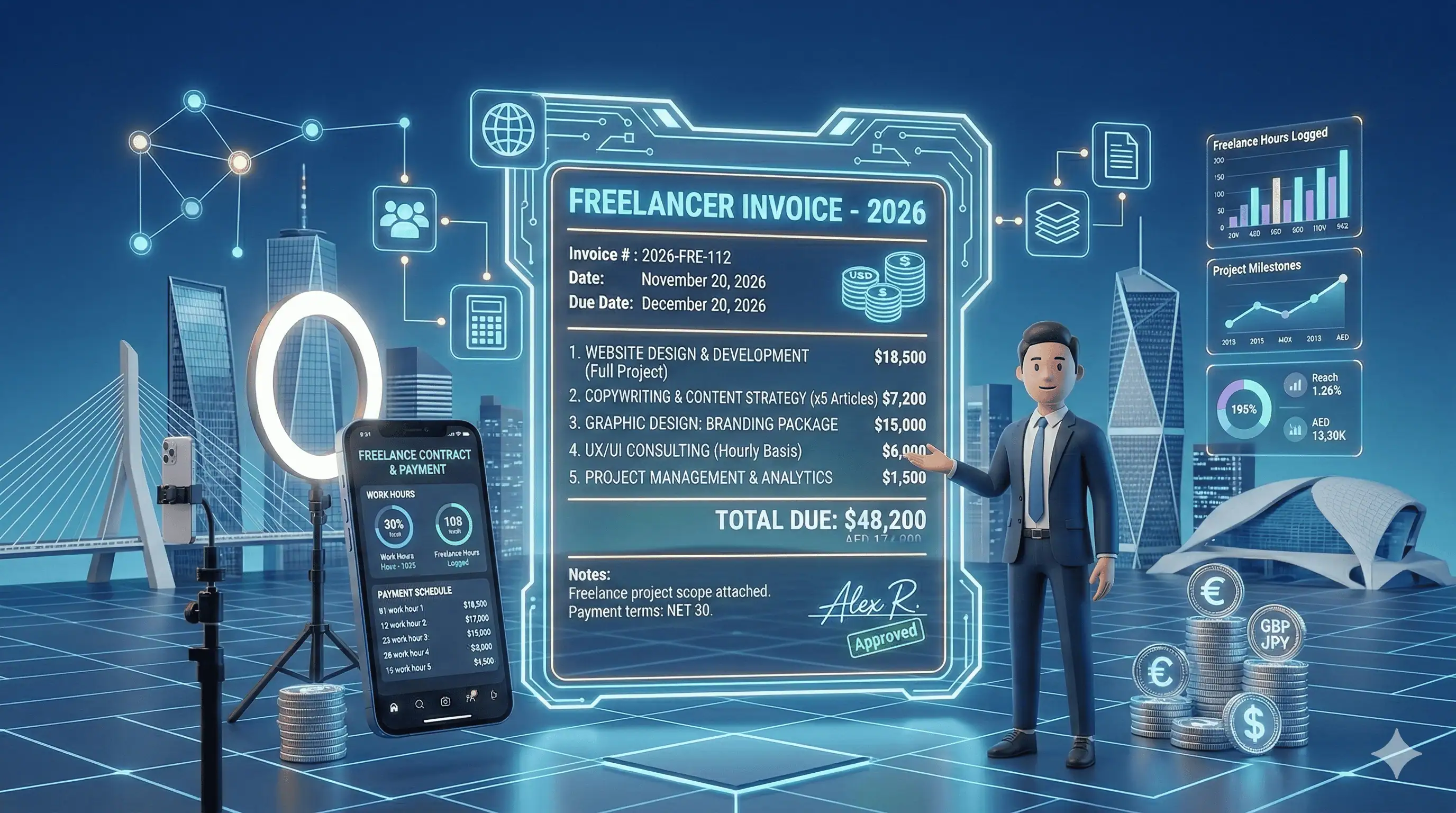
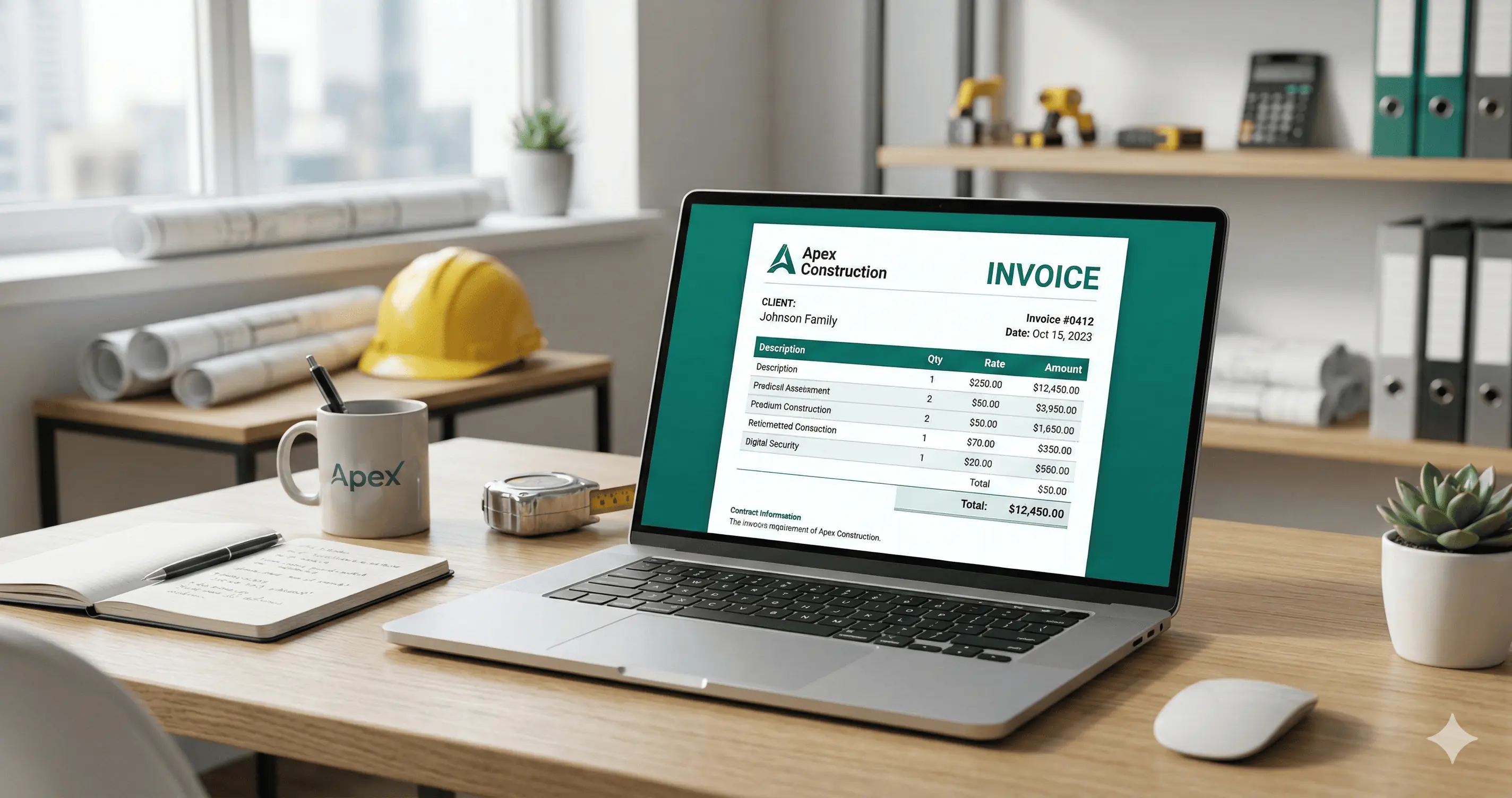
- Prominent "INVOICE" header — Don't make them guess what this document is
- Your branding — Logo and colors that match your business
- Clear due date — Bold and impossible to miss
- Itemized services — Break down exactly what they're paying for
- One total amount — Make it obvious what they owe
- Payment instructions — Exactly how to pay you
Strategy 5: Offer Multiple Payment Methods
The easier you make it to pay, the faster you get paid. Every friction point is an excuse for delay.
Payment Methods to Consider:
- Bank transfer: Still the most common for business payments. Include full IBAN details.
- Credit/debit cards: Instant payments with slightly higher fees
- Digital wallets: PayPal, Wise, or regional options like STC Pay
- Payment links: One-click payment directly from the invoice
Include at least 2-3 payment options on every invoice. What's convenient for one client may be difficult for another.
Strategy 6: Set Shorter Payment Terms
Here's a secret: payment terms are negotiable. Just because "Net 30" is common doesn't mean you have to accept it.
Consider These Alternatives:
- Due on receipt: For small projects under $500
- Net 7: One week is reasonable for most invoices
- Net 14: A good middle ground for ongoing clients
- Net 30: Reserve for large enterprises who truly need it
Data shows that invoices with "Due on Receipt" are paid 8 days faster on average than "Net 30" invoices. That's over a week of improved cash flow.
Strategy 7: Send Payment Reminders (Strategically)
Don't be shy about reminding clients. Most late payments aren't malicious—they're just forgotten in busy inboxes.
The Ideal Reminder Schedule:
- 3 days before due date: Friendly heads-up that payment is coming due
- On the due date: Simple reminder that payment is due today
- 3 days after due date: Slightly firmer notice that payment is overdue
- 7 days after due date: Direct communication requesting immediate payment
- 14+ days after due date: Final notice before escalation
Use invoicing software that sends these reminders automatically. You set it once and never have to remember.
Strategy 8: Build Relationships with Accounts Payable
Your client contact isn't always the person who pays you. In larger companies, accounts payable is a separate department with their own processes and timelines.
How to Build This Relationship:
- Ask for the AP contact during onboarding
- CC them on all invoice emails
- Understand their payment cycles (many companies have specific days they run payments)
- Be professional and courteous in all interactions
- Make their job easier by submitting clean, complete invoices
When AP knows you and likes working with you, your invoices mysteriously rise to the top of the payment queue.
Strategy 9: Implement Late Payment Fees
Late payment fees aren't about making extra money—they're about changing behavior. When there's a cost to paying late, clients prioritize your invoice.
How to Structure Late Fees:
- Percentage-based: 1.5-2% per month on overdue balances (18-24% annually)
- Flat fee: $25-50 flat fee for late payments
- Hybrid: Flat fee plus percentage for extended delays
Important: Late fees must be stated in your contract before work begins. You can't add them after the fact. Also, check local regulations—some jurisdictions have limits on late fees.
Strategy 10: Offer Early Payment Discounts
Instead of punishing late payments, try rewarding early ones. A small discount for fast payment can significantly improve your cash flow.
Common Early Payment Terms:
- 2/10 Net 30: 2% discount if paid within 10 days, otherwise full amount due in 30
- 3% off for payment within 7 days: Simple and effective
- 5% prepayment discount: For clients who pay the full project upfront
A 2% discount might seem like lost revenue, but getting paid 20 days earlier dramatically improves your cash position. It's often worth it.
Strategy 11: Use Milestone Billing for Large Projects
For projects spanning weeks or months, waiting until completion to invoice is financially dangerous. Milestone billing solves this.
Example Milestone Structure:
- 30% deposit: Before work begins
- 25% first milestone: After initial deliverable (wireframes, outline, etc.)
- 25% second milestone: After major progress point
- 20% final payment: Upon completion and approval
This approach ensures you're never more than 20% of the project value at risk if something goes wrong.
Strategy 12: Know When to Fire Bad Clients
Some clients will never pay on time. No matter how many reminders, how clear your terms, or how excellent your work—they're chronically late.
Signs of a Bad-Paying Client:
- Consistently pays 30+ days late
- Always has excuses but never solutions
- Disputes invoices to delay payment
- Takes weeks to respond to payment follow-ups
- Makes you feel awkward about asking for money you're owed
Calculate what these clients actually cost you in time, stress, and cash flow impact. Often, firing them and finding better clients is the most profitable decision you can make.
Strategy 13: Screen Clients Before Accepting Work
Prevention is better than cure. A few minutes of due diligence can save you months of payment headaches.
Pre-Project Client Screening:
- Google the company: Look for reviews, news, or red flags
- Check social media: Are they active and legitimate?
- Ask for references: Other freelancers who've worked with them
- Start small: Do a small paid project before committing to large ones
- Trust your gut: If something feels off, it probably is
Strategy 14: Use Professional Invoicing Software
Spreadsheets and Word documents are not professional invoicing tools. They waste your time, look unprofessional, and lack the features that get you paid faster.
Features That Matter:
- Professional templates: Clean, branded invoices in seconds
- Automatic calculations: No math errors on taxes or totals
- One-click sending: Email invoices directly from the platform
- Payment tracking: See which invoices are paid, pending, or overdue
- Automatic reminders: Set-and-forget payment follow-ups
- Payment links: Let clients pay directly from the invoice
- Multi-currency: Invoice international clients in their currency
- Mobile access: Create and send invoices from anywhere
The right software pays for itself many times over in time saved and faster payments received.
Strategy 15: Maintain a Cash Reserve
This isn't strictly about getting paid faster, but it changes how you handle late payments. When you have 3-6 months of expenses saved, a late payment is an inconvenience rather than a crisis.
Benefits of a Cash Reserve:
- You can wait out slow payers without panic
- You have leverage to negotiate better terms
- You can say no to bad clients without desperation
- You make better business decisions from a position of strength
Build your reserve gradually—even $500/month adds up. Eventually, cash flow issues become a minor annoyance rather than an existential threat.
Putting It All Together: Your Action Plan
You don't have to implement all 15 strategies today. Start with the highest-impact changes:
This Week:
- Review your current invoices—are they clear and professional?
- Set up payment reminder automation
- Update your contract template with clear payment terms
This Month:
- Start requiring deposits from new clients
- Shorten your default payment terms
- Add multiple payment methods to your invoices
This Quarter:
- Evaluate which clients consistently pay late
- Implement late fees or early payment discounts
- Build your emergency cash reserve
Conclusion: Getting Paid Is a Skill
Getting paid on time isn't luck—it's a skill you can develop. Every strategy in this guide has been tested by thousands of successful freelancers. They work.
The key is consistency. Apply these strategies to every client, every project, every invoice. Over time, you'll find that payment problems become rare exceptions rather than constant headaches.
Ready to transform your invoicing? Try Freelancer Fatura free and experience what it's like when invoicing just works. Automatic reminders, professional templates, one-click sending, and features designed specifically to help you get paid faster.
Your work has value. Your time has value. Getting paid promptly is not asking too much—it's asking for exactly what you've earned.